


 Spring, TX 77386
 (936) 342-7487


 (936) 342-7487
Why Sewer Line Upkeep Matters
Your sewer line is responsible for carrying wastewater safely away from your home. When the main sewer line is damaged, blocked, or deteriorated, it can affect multiple fixtures throughout the property and cause widespread plumbing issues.
For Texas homeowners, sewer line problems are often caused by tree root intrusion, grease buildup, aging pipes, shifting clay soil, and cracked or broken sewer pipes. Understanding the signs of sewer line damage and addressing them promptly can help you avoid costly emergencies and protect the long-term health of your plumbing system.
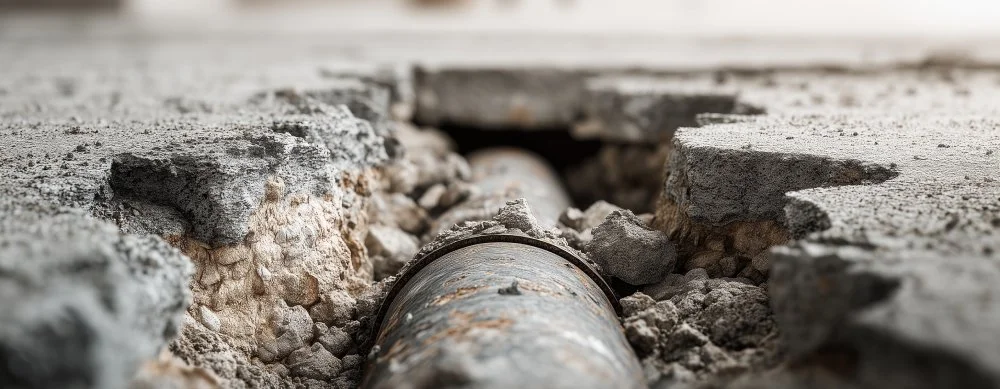
What Are the Warning Signs Your Sewer Line May Need Repair or Replacement in Texas?
Several warning signs may indicate sewer line damage or deterioration. Common symptoms include:
- Slow drains throughout the home
- Frequent drain clogs or recurring backups
- Sewage backups in drains or toilets
- Foul odors or sewer gas smells
- Gurgling sounds coming from drains
- Standing water or soggy areas in the yard
- Foundation cracks or signs of structural damage
These issues often indicate sewer line problems caused by tree root intrusion, aging pipes, grease buildup, cracked pipes, or other forms of sewer line damage.
Recognizing these warning signs early can help homeowners address problems before they lead to costly repairs, property damage, health hazards, or the need for more extensive sewer line replacement.
1. Slow Drains Throughout the Home
One of the most common warning signs that your sewer line may need attention is slow drainage affecting multiple fixtures.
When Slow Drains Signal a Bigger Problem
A single clogged drain may only affect one fixture. However, when multiple drains begin draining slowly simultaneously, the issue may be in the main sewer line.
You may notice:
- a bathroom sink is draining slowly
- water lingering in tubs or showers
- a slow kitchen sink
- multiple drains are experiencing slow drainage
These symptoms often indicate a partial blockage somewhere within the sewer system.
2. Frequent Drain Clogs and Recurring Backups
Occasional clogs are normal. Repeated clogs throughout the home are not.
Recurring Sewer Line Issues
If you constantly need drain cleaning services or repeatedly deal with clogged drains, the problem may extend beyond individual fixtures.
Common causes include:
- tree root intrusion
- grease buildup
- damaged pipes
- sewer line leaks
- mainline blockages
Recurring sewer line problems often require professional evaluation to identify the root cause.
3. Sewage Backups in Drains or Toilets
Sewage backups are one of the clearest signs your sewer line needs immediate attention.
Why Sewage Backups Occur
When wastewater cannot move through the sewer pipes properly, it may begin backing up into your home.
Signs include:
- water backing up into tubs
- wastewater appearing in floor drains
- toilets overflowing unexpectedly
- sewage backups after flushing
This issue can create serious health hazards and should be addressed immediately.
4. Foul Odors and Sewer Gas Smells
Your sewer system is designed to safely contain wastewater and sewer gas.
Unpleasant Odors Inside or Outside the Home
If you notice foul odors around drains, in your yard, or near plumbing fixtures, there may be a leaking sewer line or broken sewer pipe.
Common signs include:
- sewer odors near drains
- persistent unpleasant odors indoors
- sewer gas smells around the property
- reduced indoor air quality
A properly functioning sewer system should never allow sewer gas to enter living spaces.
5. Gurgling Sounds Coming From Drains
Strange noises often indicate trapped air within the plumbing system.
What Gurgling Sounds Mean
When wastewater struggles to move through a damaged or blocked sewer line, trapped air may escape through nearby fixtures.
You may hear:
- gurgling sounds in toilets
- noises from the bathroom sink
- bubbling in drains after flushing
- sounds coming from multiple drains
These noises often signal developing sewer line issues.
6. Wet Spots or Standing Water in the Yard
Outdoor warning signs can be just as important as indoor symptoms.
Signs of a Leaking Sewer Line
A leaking sewer line can release wastewater into the surrounding soil.
Watch for:
- standing water in the yard
- soggy patches of grass
- unusually green landscaping
- areas that remain wet without rainfall
These symptoms may indicate leaks in the sewer line beneath the surface.
7. Foundation Cracks or Structural Damage
Long-term sewer line damage can affect more than your plumbing.
How Sewer Problems Affect Your Foundation
Leaks beneath the property can gradually erode soil supporting the home's foundation.
Potential consequences include:
- Foundation cracks
- Uneven flooring
- Structural damage
- Shifting concrete slabs
- Microbial growth from excess moisture
Addressing sewer line issues early can help prevent significant repair expenses.
Common Causes of Sewer Line Problems in Texas
Several factors contribute to sewer line damage over time.
Tree Root Intrusion
Tree roots naturally seek moisture and can infiltrate small openings in sewer pipes.
Root intrusion is one of the most common causes of:
- broken sewer lines
- cracked pipes
- recurring blockages
- sewer line replacement needs
Aging Sewer Pipes
Older sewer lines are more susceptible to deterioration.
Common materials include:
- cast iron
- iron pipes
- clay pipes
As these materials age, they become more vulnerable to cracks, corrosion, and collapse.
Grease and Debris Buildup
Grease buildup inside the sewer system can gradually restrict flow and contribute to recurring sewer issues.
How Professionals Diagnose Sewer Line Damage
Experienced plumbers can often identify sewer line problems by evaluating symptoms throughout the plumbing system and performing a thorough inspection of the property.
Professional Sewer Inspection
A professional sewer inspection involves a thorough evaluation of your property's plumbing system to identify signs of sewer line damage, blockages, or deterioration. Experienced plumbers assess symptoms throughout the home to determine whether the issue originates within the main sewer line.
During the inspection, a plumber may look for:
- Slow drains affecting multiple fixtures
- Recurring clogs and frequent drain backups
- Sewage backups in toilets, tubs, or floor drains
- Foul odors or sewer gas smells
- Gurgling sounds coming from drains or toilets
- Standing water or soggy areas in the yard
- Signs of root intrusion, aging pipes, or grease buildup
- Evidence of sewer line leaks or damaged pipes
This process helps identify the likely cause of the problem and determine whether sewer line repair, professional cleaning, or sewer line replacement may be necessary.
Early professional evaluation can help homeowners address minor issues before they develop into more extensive sewer line damage, costly repairs, or unexpected plumbing emergencies.
Sewer Line Repair and Replacement Options
The right solution depends on the extent of the damage.
Sewer Line Repair
Minor sewer line issues may be addressed through:
- professional cleaning
- hydro jetting
- pipe lining
- targeted sewer repair
Sewer Line Replacement
More severe damage may require sewer line replacement.
Replacement is often necessary when dealing with:
- broken sewer pipe sections
- extensive root intrusion
- collapsed sewer pipes
- aging pipes beyond repair
Methods may include traditional excavation or pipe bursting technology.
Why Early Action Matters
Ignoring sewer line problems can lead to:
- costly repairs
- sewage backups
- structural damage
- health hazards
- extensive property damage
- more expensive emergency repairs
Preventive maintenance and early detection help homeowners avoid costly emergencies and extend the life of their sewer system.
Contact Information
 Phone
Phone
 Email
Email
 Location